The Annapurna Circuit Trek is one of the most famous treks in the world and also one of the best trekking tours in Nepal, where planning this trip like a pro requires more than just picking a trailhead and stuffing all your stuff into a bag. Your determination should be good and strong only if you are well aware about the trekking distance, altitude problem, weather, and internet lodging, followed by permits as well as your physical readiness.
It leads you through verdant subtropical forests, anthropogenic hamlets, high Himalayan valleys, and the celebrated Thorong La Pass for a genuinely holistic Himalayan experience. Provided that trekkers are well prepared and plan ahead, they can explore Nepal’s stunning natural and cultural beauty on this magnificent trek while also keeping safe.
Choose the Annapurna Circuit Trek Route
The first phase of some initial planning of the Annapurna Circuit trek is figuring out which route version is suitable for your tour goal. That old circuit was a much more lengthy distance, although the evolution of the highways over the years has caused some segments of this trail to be an object lesson in what might have been. These days most of the trekkers plan their itinerary according to time, fitness level, and personal preference.
With many long-distance hikes, some trekkers want to pick only the highlights (for example, a shortened version covering just the most beautiful parts), whereas others pursue longer adventures. Know your route options; this helps make a much more balanced itinerary, which means we can fit in country scenery and cultural villages or must-see sights but without the stress of rushing on roads.
Choose the Optimal Season for Annapurna Circuit Trek
One of the most important factors when planning for the Annapurna Circuit Trek is to select an ideal trekking season. Most sources recommend traveling during the spring or autumn for stable weather with milder temperatures and stunning views of the mountains.
Spring grants you the colorful forest and fluorescent flowers; autumn allows us to experience clear skies and hypnotizing glimpses of the Himalayas. Winter hiking may justify a more prudent approach (cold weather, after all—nor did autumn mean that we stayed warm around Thorong La Pass!) but blissful are the placid trails and snow-dusted scenery. This monsoon may be a tough season for many, but if you enjoy being in the near-deserted, verdant lower reaches, however, it can also mean opportunity.
PREPARE YOUR BODY FOR HIGH-ALTITUDE TREKKING
Being fit makes the Annapurna Circuit Trek a breeze. Long days in the legs, lots of steep climbs, and plenty of gain—so that is a huge return from endurance work. Pre-trek preparations include routine hiking and walking exercises to develop water-soluble nutrients and respiratory fitness since the body requires time to get used to the hill functions.
A proper acclimatization is also essential since the (long) route takes you to high-altitude areas, including the steep Thorong La Pass. For elite climbers, preparation isn’t necessarily physical; rather, it is primarily about mental conditioning and optimizing the energy system, energy balance, and self-efficacy to develop skills necessary in handling uncertainty associated with Himalayan weather conditions.
Plan Proper Acclimatization Days
Altitude management is perhaps one of the most important things to consider when planning a professional and well-enjoyed Annapurna Circuit trek. As the trails rise to staggering heights, the lack of oxygen at altitude can affect trekkers in different ways. Including acclimatization days in your itinerary allows your body to adjust little by little and thus reduce the risk of altitude-related problems.
Amble at top-altitude villages, and do not rush anywhere because it will make your trekking experience better. An experienced trekker also knows that living to tell the tale is far more important than beelining the route in record time. A perfect itinerary that provides a balance of leisurely and adaptable times with a bit of adventure.
The Ultimate Guide for Intelligent Packing in the HIMALAYAS
Proper Packing: Proper packing makes a great difference in your Annapurna Circuit Trek. Identifies things you actually use, but maintain your bag’s toaster because pounds on the back complicate pressure! You need to pack clothing suitable for different temperatures, mountain weather, and long walking days. The right trekking shoes depend on the weather, clothes to protect you from the elements (your umbrella too!), essentials for yourself, and a few essential pieces of climbing gear. Improved hikers want multi-functionality and lightness so that they can best use their backpack in most weather conditions. A wise packing strategy ensures that you can roll your way through forests, valleys, and high mountain areas without being burdened down by excess luggage.
Arrange Permits and Trekking Documents
Just a description of your preparation does not complete the Annapurna circuit trek preparation. Keep in mind that trekkers usually require mandatory permits prior to entering several nature reserves along their journeys. If you have this done beforehand, it can help expedite your journey and then prevent unnecessary roadblocks along the way to getting started.
Trek planning is made easy with knowledge about permits and arrangements when it comes to transport, as well as being aware of local rules. Trekking policies and procedure changes along with requirements, so good planning means assessing new ones before leaving. Having all necessary papers enables ample time to admire the stunning scenery, villages, and abundance of culture that surround you in the Annapurna region.
Be careful of where you stay / eat
Accommodations and food plans, which are the major sectors for your convenient stay on the Annapurna Circuit Trek. These are available at different rest stops of the trip where travelers stop to eat meals and mingle with communities. You sleep in local lodges that provide a true Himalayan experience while injecting income back into these cash-strapped mountain economies.
Meals on the trail that are as balanced as possible will supply the energy for those long days of trekking. Well, we obviously know that it can be much more easily prepared—eating enough on the day and drinking up makes a really huge contribution to performance. While indulging in local dishes, the village welcomes travelers, and this also adds additional taste to the whole trekking experience.
Either hire a guide or learn as much as possible about trekking alone
Whether or not you will benefit from hiring a guide can depend on the mountain/trekking experience you have, your confidence level, and how much independent travel you want to do. You could go trekking independently if you want the flexibility; however, a guide with local knowledge will be able to tell you about your routes, weather, and culture as well as provide safety. Complete novices on Himalayan trails can choose between fully qualified guides to make the Annapurna Circuit Trek a more comfortable exploit.
Seasoned adventurers may prefer to take the self-guided route, but those wishing to carve their own path through the hinterlands should first complete a careful study of trail conditions and prepare for emergencies. A guide is a best friend; gives you Local knowledge (when in Rome) as well as cultural interaction and insight about locals of the Annapurna area.
How to Get Ready to Cross the Thorong La
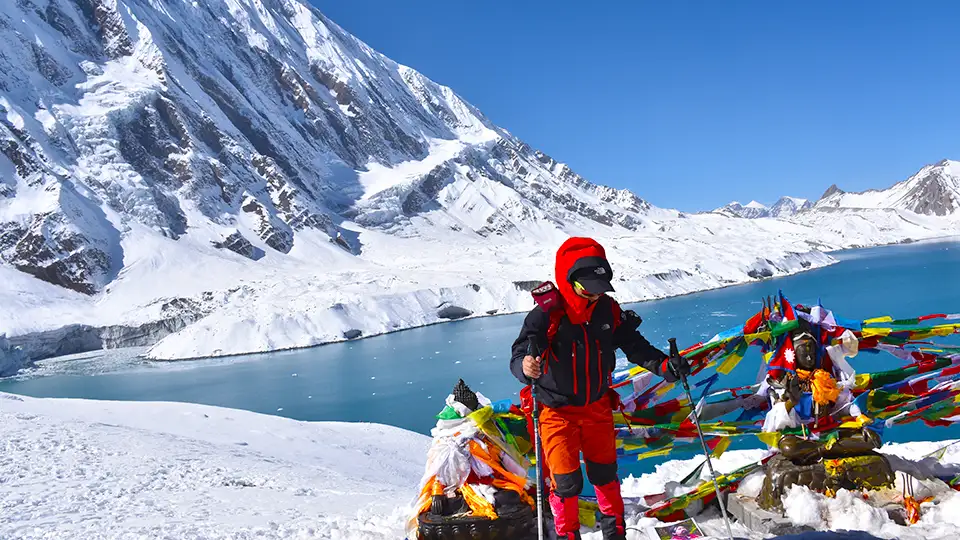
This ascent to the pass is definitely one of the centerpieces and possibly the hardest task on this route. It’s a long day as you ascend to the pass, which is over 5500 m high, so good preparation is key. The four helpful cross-country top features are to begin early, pace moderately, dress fittingly (a wet suit is required but just in the off chance that it is utilized since the beginning), and drink. Your plans need to be temporarily flexible and your prep well thought out because the weather here tends to turn around on a dime. Crossing the Thorong La Pass not only gives you stunning views of the Himalayas but also means that you have achieved one of Nepal’s ultimate trekking highlights.
Full Annapurna Circuit Trek with a certain degree of flexibility
As a well-versed trekker planning the Annapurna Circuit Trek, you may require much pre-arrangement, yet be reminded of the account—the Himalayas are a capricious and enthusiastic lady; more often than not, the path takes hikers on captivating twists. The best trekking expeditions are those that offer the right balance of adventure, safety, cultural interaction, and respect for nature.
Climbing is easy; you just need to choose the right route, practice a lot, manage your oxygen levels well, and know what to carry as baggage with proper time intervals. It takes you to the communities and traditions and landscapes that lend meaning to life in a place beyond these mountains. The Annapurna Circuit Trek is not intended to be merely a hiking itinerary exploration: with real preparation with proper schedules and ample supplies of good weather, it defines what an unstruck adventure means in the Himalayas.