One of the first questions couples ask when planning a Tanzania safari is simple: how much will it actually cost? The honest answer is that it varies enormously depending on season, accommodation style, trip length, and whether you travel privately or join a group. This guide breaks down exactly where the money goes on a couple’s safari, what realistic price ranges look like at each comfort tier, and where costs can be trimmed without compromising the experience.
What Drives the Cost of a Tanzania Safari
Before looking at specific numbers, it helps to understand the individual components that make up a safari price, since these are the levers that shift your total cost up or down.
Park and conservation fees: Every national park charges daily entry and conservation fees, set by the Tanzanian government and non-negotiable regardless of operator. These fees fund park management and wildlife protection and are typically billed per person per day.
Accommodation: Usually the single largest line item, ranging from basic campsites to ultra-luxury suites with private plunge pools. Accommodation choice alone can shift your daily cost by several hundred dollars per person.
Vehicle and guide: Whether you’re in a private vehicle just for the two of you or sharing with other travelers significantly affects per-person cost, since the vehicle, fuel, and guide fee are fixed costs split among however many people are in the vehicle.
Transportation between parks: Road transfers are considerably cheaper than domestic flights between remote airstrips, though flights save time on longer, multi-region itineraries.
Season: Peak season (July-September, December holidays) commands the highest prices across nearly every category, while shoulder and low seasons offer meaningful discounts.
Meals and extras: Most mid-range and luxury camps include all meals and some drinks in their nightly rate, while budget options may charge separately.
Typical Cost Ranges by Tier (Per Person, Per Day)
These figures reflect approximate 2026 market rates for a couple traveling together and are intended as planning benchmarks rather than exact quotes, since prices vary by operator and specific camp.
Budget tier: $150-$280 per person per day Includes public campsites or budget lodges, shared or small-group vehicles, and simpler meals. This tier still delivers genuine wildlife viewing in excellent parks, just with fewer creature comforts.
Mid-range tier: $280-$550 per person per day Includes comfortable tented camps or lodges with en-suite bathrooms, included meals, and either a private or small-group vehicle. This is the sweet spot for many couples, balancing comfort and cost.
Luxury tier: $550-$1,000+ per person per day Includes premium tented camps or lodges, often with private plunge pools, dedicated staff, gourmet dining, and a private vehicle and guide throughout. Ultra-exclusive properties in prime migration locations can exceed this range considerably.
For a couple, multiply the per-person daily rate by two, then by the number of days, to estimate a total trip cost. A 7-day mid-range safari for two, for example, might total roughly $3,900-$7,700 for accommodation, guiding, and park fees combined, before flights.
Sample Cost Breakdown: 7-Day Mid-Range Safari for Two
To make this concrete, here’s an illustrative breakdown for a mid-range, private, 7-day itinerary covering Tarangire, Ngorongoro Crater, and the Serengeti:
- Accommodation (tented camps/lodges): Roughly $350-$450 per person per night, or $4,900-$6,300 for two people over 7 nights.
- Private vehicle and guide: Often bundled into the daily rate for private safaris, but budgeted separately it typically adds $150-$250 per day for the vehicle, guide, and fuel, split between two travelers.
- Park and conservation fees: Roughly $60-$100 per person per day depending on which parks are visited, totaling several hundred dollars per person across the trip.
- Domestic flights (if used): A one-way flight between the Serengeti and Arusha typically costs $150-$300 per person; road transfers eliminate this cost entirely.
- Meals and drinks: Usually included in mid-range and luxury camp rates; budget options may add $30-$60 per person per day if not included.
These categories combine into the overall per-person daily rate quoted above, so most operators present a single all-inclusive price rather than itemizing each piece separately.
What’s Usually Included vs. Extra
Typically included in quoted safari rates:
- Accommodation
- Most or all meals
- Game drives with a guide
- Park entry and conservation fees
- Ground transportation between parks (on road-based itineraries)
Typically extra:
- International flights to Tanzania
- Visa fees
- Tips for guides and camp staff
- Alcoholic drinks (varies by camp)
- Domestic flights between remote parks
- Optional activities like hot air balloon safaris (often $500-$600 per person)
- Travel insurance
- Souvenirs and personal spending
Tipping is a meaningful line item many first-time travelers underestimate. A common guideline is $15-$25 per person per day for guides and a smaller amount for camp staff, which adds up over a week-long trip.
How Season Affects Cost for a Couple
Season is the single biggest lever for controlling safari costs, often more impactful than accommodation tier alone.
Peak season (July-September, late December): Highest prices across the board, sometimes 30-50% above shoulder or low season rates for the same camp.
Shoulder season (November, late May): Meaningful discounts, often 20-40% lower than peak, while still offering strong wildlife viewing.
Low season (April, early May): The cheapest time to travel, with discounts sometimes reaching 40-50%, though rain is more frequent and a few remote camps close temporarily.
A couple willing to travel in April or November instead of August could realistically move from the luxury tier down in price to what August’s mid-range tier would cost, or move from mid-range to a noticeably more upscale experience at the same budget.
Ways Couples Can Reduce Costs Without Sacrificing Quality
Travel in shoulder season. November and late May offer some of the best value-to-experience ratios of the year.
Choose mid-range over ultra-luxury. Many mid-range camps offer genuinely excellent service and comfortable accommodations at a fraction of ultra-luxury pricing.
Use road transfers instead of flights. Tanzania’s northern circuit parks are well-connected by road, and skipping domestic flights can save several hundred dollars per person.
Focus on fewer parks. A tightly designed 5-6 day itinerary covering two or three high-value parks often delivers as satisfying an experience as a sprawling 10-day trip, at meaningfully lower cost.
Book directly with a licensed local operator. This can remove a layer of markup that comes with booking through large international agencies.
Skip optional add-ons selectively. Hot air balloon safaris and spa treatments are wonderful but optional; couples on a tighter budget can skip these without diminishing the core safari experience.
Is a Private Safari Worth the Extra Cost for a Couple?
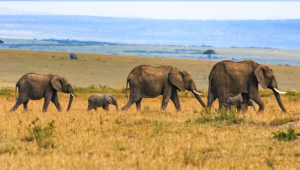
Private safaris cost more per person than group departures because the vehicle and guide costs are split between just two people rather than four to seven. However, many couples find the added flexibility, privacy, and pacing control worthwhile, particularly for honeymoons or anniversaries. Budget-conscious couples comfortable sharing a vehicle with a small group can reduce costs meaningfully by choosing a scheduled group departure instead, without sacrificing much in terms of wildlife access.
Conclusion
The cost of a Tanzania safari for a couple spans an enormous range, from around $150 per person per day for a budget camping-based trip to well over $1,000 per person per day for the most exclusive luxury camps. The good news is that this range means there’s a genuinely rewarding safari available at nearly every budget level, and the levers that control cost — season, accommodation tier, private versus group travel, and road versus air transfers — are all within a couple’s control. Rather than assuming Tanzania is out of reach, it’s worth working through these variables with a reputable operator to build a trip that matches your budget and priorities, whether that means a lean, adventurous week in the dry season or an indulgent, fully private honeymoon safari at the height of the migration.
Key Takeaways
- Tanzania safari costs for a couple typically range from $150-$280 per person per day (budget) to $550-$1,000+ per person per day (luxury).
- Accommodation is usually the largest single cost driver, followed by whether the trip is private or shared with a group.
- A 7-day mid-range private safari for two typically totals roughly $3,900-$7,700 for accommodation, guiding, and park fees combined.
- Peak season (July-September, December) can cost 30-50% more than shoulder season (November, late May) or low season (April).
- Tips, domestic flights, alcoholic drinks, and optional activities like hot air balloon safaris are usually extra, not included in quoted rates.
- Choosing road transfers over domestic flights and focusing on fewer, well-chosen parks can meaningfully reduce total trip cost.
- Private safaris cost more per person than group departures but offer significantly more flexibility, which many couples find worthwhile for special occasions.
Frequently Asked Questions
What is a realistic total budget for a couple’s Tanzania safari? For a 7-day mid-range trip, budget roughly $4,000-$7,500 total for accommodation, guiding, and park fees, before international flights, tips, and optional extras.
Does the safari cost include flights to Tanzania? No. Quoted safari rates almost always cover in-country costs like accommodation, guiding, and park fees, while international flights to Tanzania are booked and paid for separately.
How much should we budget for tipping? A common guideline is $15-$25 per person per day for your safari guide, plus a smaller daily amount for camp staff, which can add up to a few hundred dollars over a week-long trip.
Is it cheaper to travel as a couple than solo? Yes, generally. Fixed costs like a private vehicle and guide are split between two people rather than one, and some camps offer double-occupancy rates that are more cost-effective per person than solo traveler rates.
What’s the biggest cost-saving decision we can make? Choosing your travel season has the single largest impact on cost, with shoulder and low season trips often costing 30-50% less than the same itinerary during peak season.
Are all-inclusive safari packages better value than booking separately? Generally yes, since most reputable operators bundle accommodation, meals, guiding, and park fees into a single rate that’s typically more cost-effective and far simpler to plan than arranging each piece independently.
Should we get travel insurance, and does it add much to the cost? Yes, comprehensive travel insurance is strongly recommended given the remote nature of safari travel, and it typically adds a relatively modest amount, often a few hundred dollars for two people, relative to the overall trip cost.